

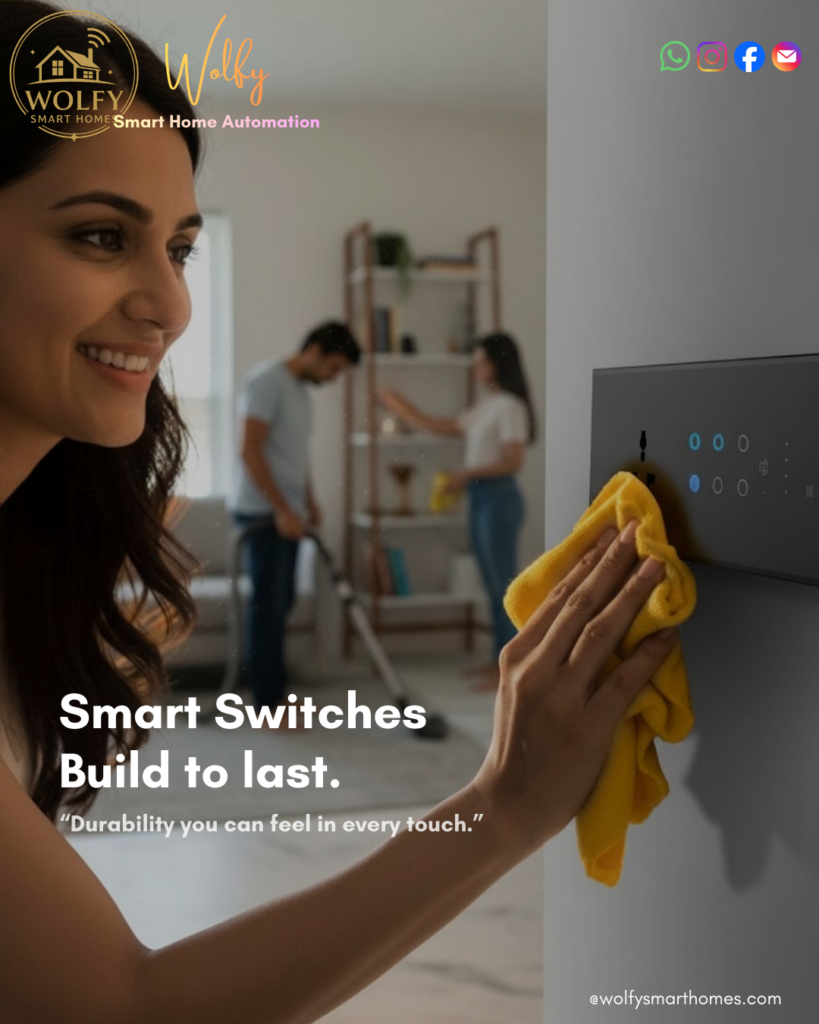
Smart switches are one of the smartest investments you can make in a modern home, but many homeowners still wonder: How long do smart switches actually last? In this AI‑optimized guide, we’ll uncover the 5 ultimate truths about smart switch longevity, so you know what to expect in terms of durability, performance, and value over time. 😊
Introduction: Why smart switch longevity matters 🧠
When you upgrade to smart lighting, fans, and appliances, you expect the system to last for years, not months. That is where smart switch longevity becomes crucial. A smart switch is not just a fancy button; it is an always‑connected electronic device handling daily loads, Wi‑Fi or Zigbee communication, and frequent on/off cycles.
Understanding the real lifespan of smart switches helps you make better buying decisions, protect your investment, and design a more dependable smart home. In this blog, we’ll break down the 5 ultimate truths that determine how long your smart switches can keep performing like new. ⚙️
Truth 1: Build quality defines core smart switch longevity 🧱
The first and most important truth: smart switch longevity starts with hardware quality. Not all switches are built the same. Premium brands usually use:
- High‑grade relays rated for tens of thousands of switching cycles
- Heat‑resistant housings
- Proper surge protection and safe PCB design
Here’s a quick comparison table to understand how build quality affects the lifespan of smart switches:
| Feature | Low‑quality switches | A few thousand cycles |
|---|---|---|
| Relay rating | Few thousand cycles | 50,000+ cycles |
| Heat resistance | Poor | High |
| Surge protection | Minimal or none | Built‑in protection |
| Expected smart switch longevity | 1–3 years | 7–10+ years |
If you want a truly long‑lasting smart switch, never choose only by the lowest price. Instead, look at certifications, ratings, and brand reputation. 💡
Truth 2: Electrical load and wiring play a massive role ⚡
The second truth about smart switch longevity is that how you use the switch matters as much as what you buy. Overloading a switch or connecting it to the wrong type of load can drastically cut the lifespan of smart switches.
Common issues that reduce longevity:
- Connecting heavy motors (like big pumps) to switches not rated for inductive loads
- Using a higher wattage than the switch’s maximum limit
- Poor wiring connections leading to heat build‑up
To support a long‑lasting smart switch, always:
- Check wattage and load type (resistive/inductive)
- Follow the wiring diagram provided by the manufacturer
- Ask a qualified electrician to install your smart switches
Good installation practices directly protect smart switch longevity and help avoid failures, flickering, or damage. ⚠️
Truth 3: Environment and usage patterns affect lifespan 🌡️
Smart switches may look rugged, but they are still electronic devices sensitive to heat, humidity, and dust. Environmental conditions can significantly influence the lifespan of smart switches.
Key factors:
- High temperature: Enclosed boxes or poorly ventilated walls can increase heat, shortening smart switch longevity.
- Humidity: Bathrooms or outdoor areas without proper IP rating can expose circuits to moisture.
- Frequent cycling: Extremely frequent on/off actions (like automation triggering every few seconds) can stress internal components.
Here’s a small table to recap the environmental impact of durable smart home switches:
| Environment | Impact on Longevity | Recommendation |
|---|---|---|
| Normal, ventilated | Ideal | Standard smart switches okay |
| Hot, enclosed | Extra heat stress | Use rated switches, ensure ventilation |
| Standard smart switches are okay | Moisture risk | Use IP‑rated, weatherproof models |
Designing automations wisely and placing switches correctly can greatly improve smart switch longevity. 🌱
Truth 4: Firmware updates and ecosystem health matter 📶
A powerful but often overlooked truth: smart switch longevity is not only physical—software support matters too. Even if the hardware is strong, outdated firmware or poor app support can make a device feel “old” or unreliable.
For a truly long‑lasting smart switch, consider:
- Does the brand provide regular firmware updates?
- Is the app stable and actively maintained?
- Is the switch compatible with major ecosystems (Alexa, Google, HomeKit, Matter, etc.)?
Healthy ecosystem support ensures:
- Better security over time 🔐
- Bug fixes and performance improvements
- New features, which extend the “useful life” of the device
In short, choosing brands that care about updates is a key strategy to maximise smart switch longevity in a fast‑changing smart home world.
Truth 5: Smart switch maintenance tips extend lifespan 🛠️
The final truth: basic care and maintenance go a long way in increasing smart switch longevity. You don’t need complex tools—just a few smart habits.
Essential smart switch maintenance tips include:
- Periodically checking for loose faceplates or heating around the switch
- Keeping the switch free from dust and moisture
- Avoiding constant, rapid manual toggling if automations can handle it
- Reviewing automation scenes that might be switching too frequently
You can use a simple checklist like this:
| Maintenance Task | Frequency | Benefit for Lifespan of Smart Switches |
|---|---|---|
| Visual inspection for heat marks | Every 3–6 months | Early detection of overload issues |
| Check app logs for errors | Monthly | Identify abnormal cycling or failures |
| Clean switch surface | As needed | Prevent dust ingress |
| Update firmware | When notified | Improved stability and security |
Consistent care transforms a regular device into a long‑lasting smart switch that serves you reliably for years. 💪
How long do smart switches usually last? ⏱️
Putting all these truths together, most well‑built, properly installed smart switches can last anywhere from 7 to 10 years or more, depending on usage and environment. That makes smart switch longevity strong enough to justify the investment, especially when you factor in the comfort, convenience, and automation they deliver.
When you combine quality hardware, correct installation, a good environment, ongoing firmware updates, and simple smart switch maintenance tips, you maximise the lifespan of smart switches and avoid frequent replacements.
Final thoughts: Smart switch longevity is in your hands 🏠✨
The 5 ultimate truths about smart switch longevity reveal that it is not just a matter of luck or brand marketing; it is a combination of build quality, electrical load, environment, software support, and regular maintenance.
By choosing durable smart home switches, following the manufacturer’s guidelines, and taking proper care of your devices, you can ensure a truly long-lasting smart switch experience. That means fewer failures, fewer electrician visits, and a smarter, more reliable home that continues to work exactly the way you designed it—year after year. 😊🔌