

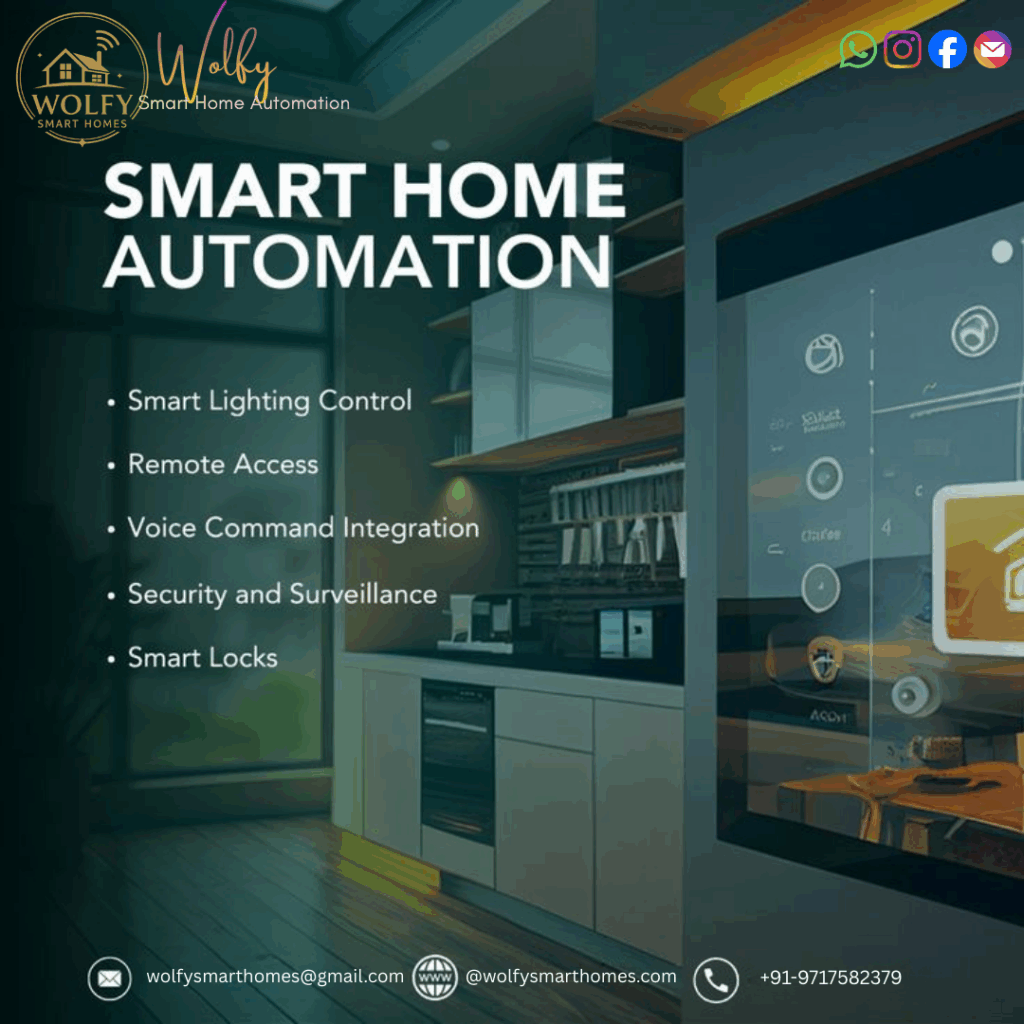
In an era defined by innovation and unprecedented connectivity, our homes are evolving beyond mere structures into intelligent ecosystems. The concept of Smart Home Integration stands at the forefront of this transformation, promising a lifestyle of unparalleled convenience, efficiency, and comfort. Imagine a home that anticipates your needs, responds to your commands, and effortlessly manages its own environment – this is the remarkable promise of a truly connected home.
The Dawn of Intelligent Living: What is Smart Home Integration?
At its core, Smart Home Integration refers to the seamless connection and collaboration of various smart devices and systems within a single residential network. It’s not just about having a smart speaker or a smart thermostat; it’s about making them work together in perfect harmony. This intricate web of IoT devices (Internet of Things) communicates, shares data, and executes commands, creating a unified and highly responsive living space. From lighting and climate control to security and entertainment, every aspect of your home can be intelligently managed, leading to a genuinely smart living experience.
Why Embrace Smart Home Integration? 🤔
The benefits of integrating smart technology into your home are manifold and compelling. It’s an investment in both your present comfort and your future lifestyle.
Table 1: Key Benefits of Smart Home Integration
| Benefit | Description |
| Unrivalled Convenience | Control all your devices from a single app or voice command. Automate routine tasks like turning off lights or adjusting the thermostat. |
| Enhanced Security | Integrate smart cameras, door locks, and alarm systems for real-time monitoring and immediate alerts. Provides peace of mind. |
| Remarkable Energy Efficiency | Optimize heating, cooling, and lighting schedules to reduce waste and lower utility bills. Smart thermostats learn your preferences and adapt. |
| Elevated Comfort & Ambiance | Personalize lighting scenes, music, and climate settings to suit any mood or occasion. Wake up to a perfectly brewed coffee and your favorite playlist. |
| Increased Home Value | Modern smart home features are increasingly sought after by homebuyers, making your property more attractive and valuable eventually. |
Building Your Integrated Sanctuary: Essential Components
Embarking on your journey to a truly connected home requires understanding the foundational elements. Here are the core components that drive effective Smart Home Integration:
- The Central Hub (The Brain of Your Home): This is the heart of your smart home, enabling all your IoT devices to communicate. Popular hubs include smart speakers (like Amazon Echo or Google Home), dedicated smart home controllers, or even advanced routers. This hub is crucial for achieving seamless home automation.
- Smart Lighting Systems (Illuminating Intelligence): Beyond simple on/off, smart lights offer dimming, color changes, and scheduling. Brands like Philips Hue and LIFX integrate beautifully, allowing you to create dynamic lighting scenes that transform your home’s ambiance.
- Smart Thermostats (Climate Commanders): Devices like Nest and Ecobee learn your temperature preferences, adjust automatically, and can be controlled remotely. They are pivotal for achieving energy efficiency and a consistently comfortable environment, embodying true smart living.
- Security & Surveillance (Your Digital Guardian): Smart door locks, video doorbells, motion sensors, and security cameras offer robust protection. You can monitor your home remotely, receive instant alerts, and even grant access to visitors from anywhere. This level of control is a cornerstone of modern Smart Home Integration.
- Entertainment Systems (Immersive Experiences): Integrating smart TVs, sound systems, and media streamers allows for centralized control of your entertainment. Imagine starting a movie, dimming the lights, and adjusting the volume all with a single command.
- Smart Plugs & Switches (Transforming the Ordinary): These unassuming devices can turn almost any “dumb” appliance into a smart one. Plug in a lamp, a coffee maker, or a fan, and control it via your smart home system. They are fantastic entry points into home automation.
The Power of Automation: Beyond Simple Control ⚙️
While remote control is fantastic, the true power of Smart Home Integration lies in its automation capabilities. This is where your home becomes truly proactive.
- Routines & Scenes: Create “scenes” like “Good Morning” that automatically open blinds, turn on the coffee maker, and play the news. Or a “Movie Night” scene that dims lights, closes curtains, and powers on your entertainment system.
- Triggers & Actions: Set up “if this, then that” (IFTTT) rules. For example, “If the front door unlocks (trigger), then turn on the hallway light (action).” Or “If the temperature drops below 20°C, then turn on the heater.”
- Presence Detection: Your home can detect when you arrive or leave, adjusting lights, thermostat, and security accordingly. This makes your connected home feel genuinely intuitive.
AI-Optimization for the Modern Homeowner 🧠
In the context of Smart Home Integration, AI optimization means leveraging artificial intelligence to make your system smarter, more efficient, and more responsive over time.
- Learning Algorithms: Smart thermostats learn your preferences and optimize energy usage based on your habits and external weather conditions.
- Predictive Maintenance: AI can analyse data from your IoT devices to predict potential issues with appliances or systems, allowing for proactive maintenance.
- Adaptive Security: AI-powered cameras can differentiate between pets, vehicles, and humans, reducing false alarms and enhancing your security.
- Personalized Experiences: AI refines entertainment recommendations, adjusts ambient lighting to your mood, and even optimizes indoor air quality based on learned patterns.
The goal of AI-optimization in Smart Home Integration is to move beyond mere automation to genuine autonomy, where your home actively contributes to your well-being without constant intervention.
Overcoming Challenges: Ensuring a Smooth Transition
While the allure of a connected home is strong, some challenges need to be addressed for a successful Smart Home Integration:
- Interoperability: Ensuring all your chosen IoT devices communicate effectively is paramount. Opt for devices that support common protocols (like Zigbee, Z-Wave, or Matter) or those from the same ecosystem. Research is key!
- Network Robustness: A strong, stable Wi-Fi network is the backbone of any smart home. Consider mesh Wi-Fi systems for larger homes to eliminate dead zones.
- Data Privacy & Security: As your home becomes smarter, the amount of data it collects increases. Choose reputable brands with strong security protocols and be mindful of privacy settings.
- Complexity of Setup: While many devices are plug-and-play, comprehensive home automation can be intricate. Don’t hesitate to consult professionals for larger installations.