

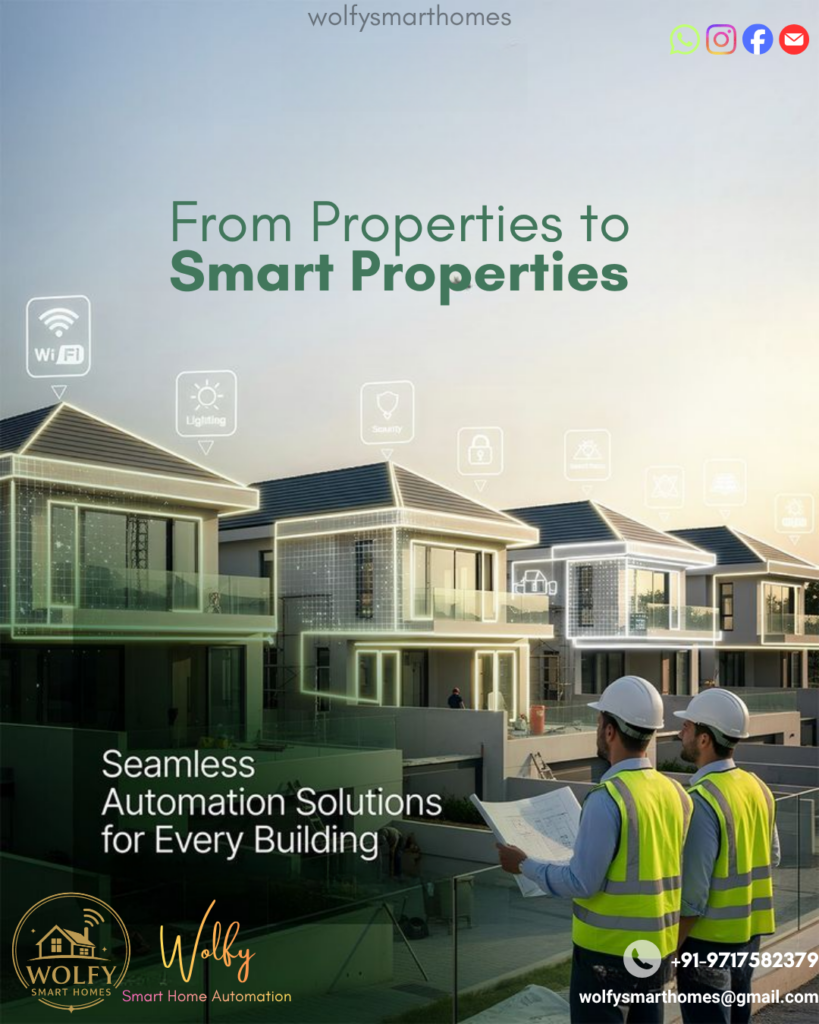
The world of modern architecture is evolving at lightning speed ⚡. Gone are the days when design was only about aesthetics and structure. Today, architects are integrating smart home technology into their projects to create spaces that are not only beautiful but also intelligent.
The rise of smart homes is not just a trend—it’s a revolution. From automated lighting to AI-powered security systems, home automation is redefining how we interact with our living spaces. Architects are now prioritizing intelligent living solutions right from the blueprint stage.
📊 Why Smart Homes Are Gaining Popularity
| Feature | Traditional Homes | Smart Homes |
|---|---|---|
| Energy Efficiency | Low | High ⚡ |
| Security | Basic | Advanced 🔐 |
| Convenience | Manual | Automated 🤖 |
| Customization | Limited | Highly Flexible 🎛️ |
| Future-Ready | No | Yes 🚀 |
💡 1. Enhanced Lifestyle with Intelligent Living
One of the biggest reasons architects prefer smart homes is the lifestyle upgrade they offer. Imagine controlling your lights, AC, curtains, and security system with just your smartphone 📱.
With home automation, daily tasks become effortless. Whether it’s setting mood lighting or scheduling appliances, smart home technology makes life more convenient and luxurious.
✨ Key Benefits:
- Voice-controlled devices
- Remote access from anywhere
- Personalized settings
🔐 2. Advanced Security Features
Security is a top priority in modern architecture, and smart homes excel in this area. From smart locks to real-time surveillance, these homes provide unmatched safety.
With home automation, homeowners can monitor their property 24/7. Alerts, motion sensors, and facial recognition systems ensure peace of mind.
🔎 Security Highlights:
- Smart cameras with live feed
- Intrusion alerts
- Remote locking systems
⚡ 3. Energy Efficiency and Sustainability
Architects are increasingly focusing on eco-friendly designs 🌱. Smart home technology helps reduce energy consumption through automation and optimization.
For example, automated lighting and climate control systems adjust based on occupancy, saving electricity and lowering bills.
🌍 Eco Benefits:
- Reduced carbon footprint
- Smart energy monitoring
- Efficient resource usage
🎛️ 4. Seamless Integration with Modern Architecture
Today’s modern architecture is all about clean designs and minimalism. Smart homes perfectly align with this vision by eliminating clutter and enhancing functionality.
Hidden wiring, centralized control systems, and sleek devices blend effortlessly into interiors, creating a futuristic environment.
🎯 Design Advantages:
- Minimalist aesthetics
- Space optimization
- Integrated systems
🤖 5. Future-Ready Living Spaces
The demand for intelligent living is growing rapidly. Architects are designing homes that are ready for future upgrades and innovations.
With smart home technology, systems can be updated without major renovations, making these homes a long-term investment.
🚀 Future Benefits:
- Scalable technology
- Increased property value
- Adaptability to new trends
📈 The Role of Home Automation in Real Estate
Real estate developers are also embracing smart homes to attract buyers. Properties with home automation features often have higher resale value and faster sales.
Buyers today prefer homes that offer convenience, security, and efficiency—all powered by smart home technology.
🧠 Challenges Architects Consider
While smart homes offer numerous benefits, architects also consider certain challenges:
- Initial installation cost 💰
- Technology compatibility issues
- User adaptability
However, with advancements in home automation, these challenges are gradually being minimized.
🔮 Future Trends in Smart Homes
The future of smart homes is incredibly exciting. Emerging technologies like AI and IoT are taking intelligent living to the next level.
📌 Upcoming Trends:
- AI-powered assistants
- Predictive automation
- Smart health monitoring systems
Architects are already incorporating these innovations into their designs, ensuring homes remain future-ready.
🏁 Conclusion: The Smart Choice for Modern Architecture
The shift toward smart homes is undeniable. Architects are no longer just designing structures—they are creating intelligent ecosystems that enhance everyday life.
With the integration of home automation and smart home technology, homes are becoming more efficient, secure, and comfortable. This transformation is redefining modern architecture and setting new standards for intelligent living.
In a world driven by innovation, choosing smart homes is not just an option—it’s a necessity. 🚀